



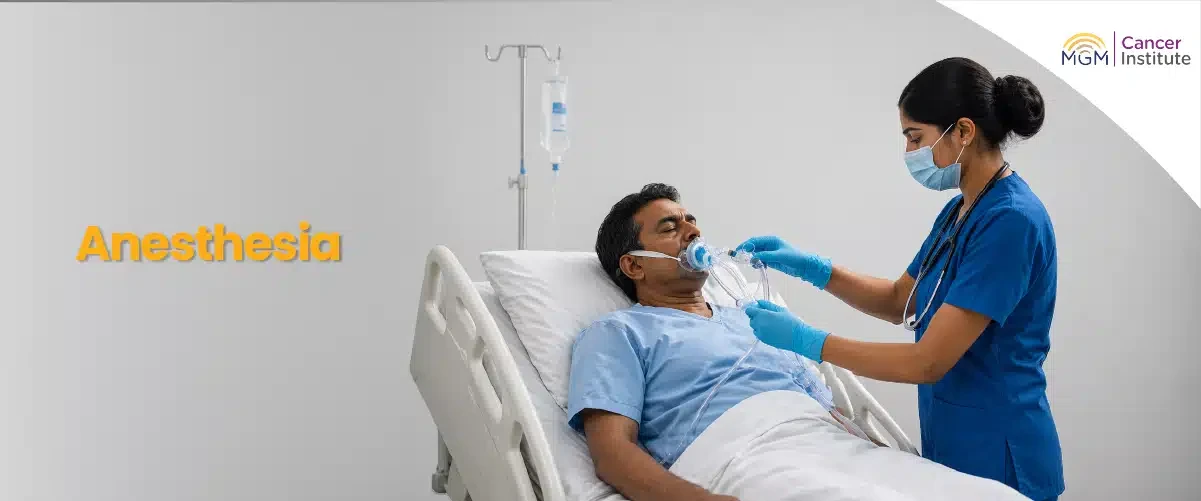
Anesthesia in Cancer Surgery: Types, Pain Management And Treatment
Cancer treatment can feel overwhelming.
There are tests, therapies, and sometimes surgery.
Along with this comes fear, pain, and uncertainty.
One important part of your care that many people don’t talk about is anesthesia in cancer care.
It works quietly in the background to keep you comfortable, safe, and stable during treatment.
What Is Anesthesia?
Anesthesia is a medical approach used to prevent pain and discomfort during procedures such as cancer surgery, biopsies, or diagnostic tests.
A specialist called an anesthesiologist manages your care throughout the process.
They are responsible for:
- Evaluating your health before the procedure
- Monitoring you during treatment
- Managing pain after surgery
- Ensuring your vital signs remain stable
They continuously track:
- Heart rate
- Blood pressure
- Oxygen levels
- Breathing
This ensures safe and controlled treatment conditions.
Types of Anesthesia Used in Cancer Treatment
Depending on your condition and procedure, different types of anesthesia may be used:
1. Local Anesthesia
- Numbs a small area of the body
- Used for minor procedures like biopsies
2. Regional Anesthesia
- Blocks pain in a larger area (e.g., spinal or epidural anesthesia)
- Common in certain cancer surgeries
3. General Anesthesia
- Puts you into a controlled sleep
- Used for major cancer surgeries
The choice depends on:
- Type of cancer
- Stage of disease
- Treatment plan
- Overall health condition
Why Is Anesthesia Important in Cancer?
Cancer treatments can cause multiple physical and emotional challenges, including:
- Pain
- Anxiety and stress
- Nausea and vomiting
- Weakness and fatigue
- Side effects from chemotherapy and radiation
Without proper pain management, patients may experience:
- Chronic discomfort
- Sleep disturbances
- Loss of appetite
- Reduced energy levels
- Slower recovery
Anesthesia helps improve comfort, treatment tolerance, and overall recovery outcomes.
Role of Anesthesiologists in Cancer Treatment
Anesthesiologists play a critical role beyond surgery.
They support you by:
- Preparing your body before surgery
- Maintaining stability during long procedures
- Managing fluids and blood loss
- Providing post-operative pain relief
- Supporting faster recovery
Their role extends before, during, and after treatment.
How to Prepare for Anesthesia Before Cancer Treatment
Proper preparation can make your treatment smoother and safer.
Follow these simple steps:
- Consult your anesthesiologist early
- Share complete medical history (medications, allergies)
- Follow fasting instructions before surgery
- Maintain a healthy diet and hydration
Early planning reduces risks and improves recovery.
Is Anesthesia Safe for Cancer Patients?
Yes. Modern anesthesia is highly safe and carefully monitored.
Each plan is customized based on:
- Age
- Medical history
- Cancer type
- Current treatment (chemotherapy/radiation)
Continuous monitoring ensures maximum safety and minimal complications.
Benefits of Anesthesia in Cancer Care
- Effective pain control
- Reduced anxiety and stress
- Better surgical outcomes
- Faster recovery
- Improved overall patient experience
At MGM Cancer Institute, Chennai
At MGM Cancer Institute, we believe cancer care should not add to your discomfort.
Our anesthesia and pain management team provides:
- Advanced pain management techniques
- Safe and monitored anesthesia care
- Support during chemotherapy and surgery
- Pre- and post-treatment care
Our goal is to ensure less pain, less fear, and better recovery.
DOCTOR DETAILS:
Clinical Lead and Senior Consultant
Anaesthesiology and Surgical Intensive Care Unit
Frequently Asked Questions
No. Depending on the procedure, you may receive local, regional, or general anesthesia. Not all treatments require full sedation.
It uses medications and techniques to block pain signals, making treatments more comfortable and recovery easier.
Yes. Anesthesia techniques help reduce anxiety, nausea, and breathing discomfort, improving your overall experience.
Yes. It is carefully planned based on your health condition and ongoing treatments, ensuring safety and effectiveness.
Common side effects include nausea, vomiting, drowsiness, sore throat, dizziness, and mild confusion. These symptoms are usually temporary and improve within a few hours to a day.
Contact Us
Visiting Hours
OPEN 24 hours 7 days a week.
OPD Timings : Monday to Saturday
( 9:00 AM to 5:30 PM )
Appointments
Visit the hospital
MGM Cancer Institute
No 119 & 121, Nelson Manickam Road, Raajeswari Street, Rajaram Mehta Nagar,
Aminjikarai, Chennai – 600029



At MGM Cancer Institute, we believe in curing the fear of cancer first. We understand that battling cancer is not just a physical fight, but a mental and emotional one as well. Our dedicated team is committed to providing exceptional healthcare that improves your overall well-being and eases the anxiety that comes with cancer. With a 150-bed facility in the heart of your city, we are here to support you every step of the way.
© MGM Cancer Institute. All Rights Reserved. Last updated on 17-06-2026.
Part of MGM HEALTHCARE PRIVATE LIMITED