



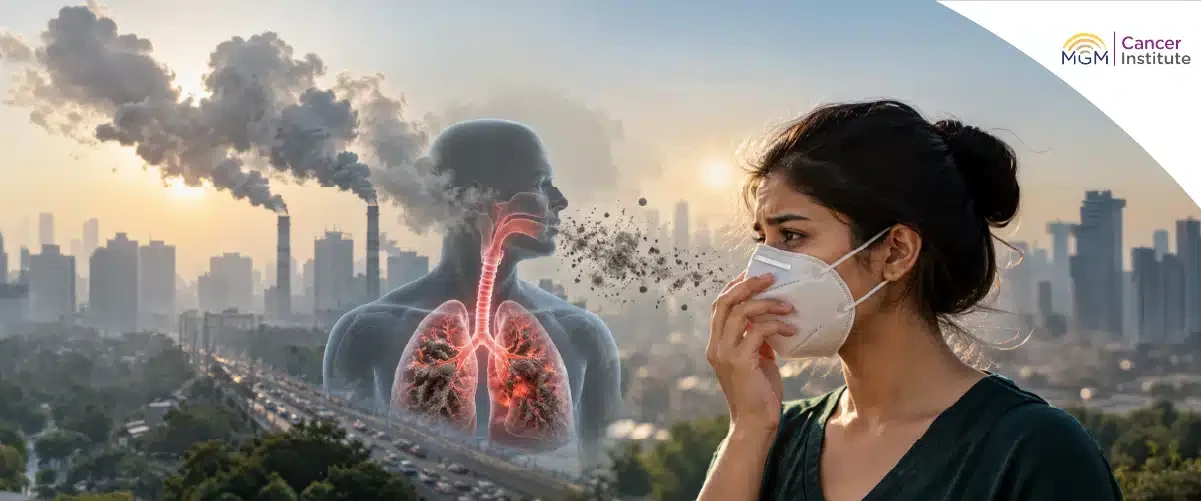
Can Air Pollution Increase Cancer Risk? What You Should Know
Yes, long-term exposure to outdoor air pollution can increase lung cancer risk. Fine particulate matter (PM2.5) and other harmful pollutants are associated with lung cancer. The level of risk depends on exposure duration, pollution levels, and other factors, including smoking history and occupational exposures.
Understanding the link between air pollution and cancer can help you take practical steps to reduce exposure.
How Can Air Pollution Increase Cancer Risk?
Air pollution contains harmful particles and substances that can affect lung tissue. Long-term exposure may contribute to cancer development through:
- Oxidative stress: Can damage cells.
- Chronic inflammation: May affect lung tissue over time.
- DNA damage: Certain carcinogens can damage genetic material.
The International Agency for Research on Cancer (IARC) classifies outdoor air pollution and particulate matter in outdoor air as carcinogenic to humans.
Which Cancers Are Linked to Air Pollution?
Lung Cancer
Lung cancer has the clearest established link with outdoor air pollution. Fine particles can penetrate deep into the lungs, and long-term exposure is associated with increased risk.
Smoking is a major lung cancer risk factor, but lung cancer can also develop in nonsmokers. Air pollution is one of several factors that may contribute to the disease.
Other Cancers
Researchers are studying possible links between air pollution and other cancer types. However, the strength of evidence varies, and further research is needed to clarify these associations.
Who May Be More Exposed to Air Pollution?
People living near busy roads or industrial areas, outdoor workers, and those exposed to indoor smoke may experience higher exposure. Children, older adults, and people with existing health conditions may also be more vulnerable to certain effects of air pollution.
Exposure does not mean cancer will inevitably develop.
How Can You Reduce Exposure to Air Pollution?
- Check air quality: Monitor local Air Quality Index (AQI) reports.
- Avoid heavy traffic: Choose less congested routes when practical.
- Reduce indoor smoke: Avoid tobacco smoke and use cleaner cooking fuels where possible.
- Improve indoor air quality: Use appropriate ventilation and consider a suitable air purifier with an effective particulate filter.
- Use suitable masks: A well-fitting N95 respirator can help reduce exposure to airborne particles when worn correctly.
These measures may reduce exposure but cannot guarantee cancer prevention.
Can Air Pollution Cause Lung Cancer in Nonsmokers?
Yes. Air pollution is a recognised lung cancer risk factor, including for people who have never smoked. However, cancer develops through multiple contributing factors, and exposure does not mean a person will necessarily develop the disease.
When Should You Seek Medical Advice?
Consult a healthcare professional if you experience a persistent cough, coughing up blood, unexplained weight loss, ongoing chest discomfort, or new or worsening shortness of breath. These symptoms can have several causes and do not necessarily indicate cancer.
Air pollution exposure alone does not automatically mean cancer screening is needed. A clinician can assess your symptoms and individual risk factors.
Conclusion
Long-term exposure to outdoor air pollution is associated with lung cancer. Checking air quality and reducing avoidable exposure can help support better health.
For persistent symptoms or concerns about your cancer risk, consult a qualified healthcare professional.
DOCTOR DETAILS:
Dr. Sivaram Ganesamoni
HOD and Senior Consultant
Surgical Oncology
Frequently Asked Questions
Yes. Long-term exposure to outdoor air pollution is associated with an increased risk of lung cancer.
Long-term exposure to PM2.5 is associated with increased lung cancer risk.
Yes. Air pollution is one recognised risk factor for lung cancer in nonsmokers.
No. Air purifiers may reduce indoor airborne particles but cannot eliminate all pollutants or guarantee cancer prevention.
Check official Air Quality Index reports from the Central Pollution Control Board (CPCB) or authorised air-quality monitoring services.
Contact Us
Visiting Hours
OPEN 24 hours 7 days a week.
OPD Timings : Monday to Saturday
( 9:00 AM to 5:30 PM )
Appointments
Visit the hospital
MGM Cancer Institute
No 119 & 121, Nelson Manickam Road, Raajeswari Street, Rajaram Mehta Nagar,
Aminjikarai, Chennai – 600029



At MGM Cancer Institute, we believe in curing the fear of cancer first. We understand that battling cancer is not just a physical fight, but a mental and emotional one as well. Our dedicated team is committed to providing exceptional healthcare that improves your overall well-being and eases the anxiety that comes with cancer. With a 150-bed facility in the heart of your city, we are here to support you every step of the way.
© MGM Cancer Institute. All Rights Reserved. Last updated on 17-06-2026.
Part of MGM HEALTHCARE PRIVATE LIMITED