



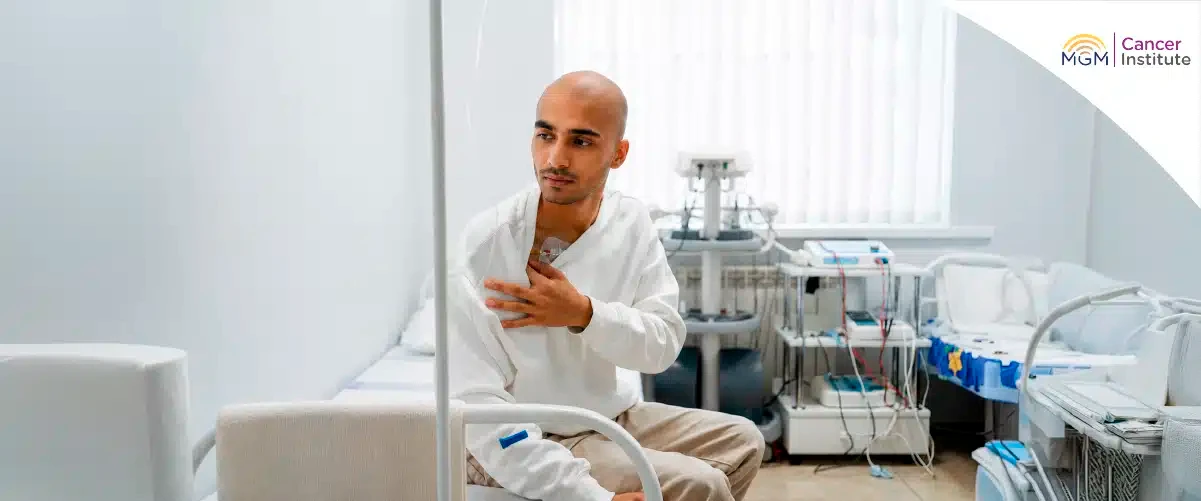
Can Cancer Be Treated Without Surgery? Treatment Options And Do All Patients Need It
Cancer treatment does not always require surgery. In many cases, cancer can be treated using non-surgical methods such as chemotherapy, radiation therapy, immunotherapy, or targeted therapy. The right approach depends on the type of cancer, its stage, how far it has spread, and the patient’s overall health.
For many patients, one of the first questions after diagnosis is:
“Will I need surgery?”
The answer varies. Some cancers respond very well to medicines and advanced therapies, while others may still require surgery as part of treatment.
When Can Cancer Be Treated Without Surgery?
Not all cancers need surgery. In certain situations, non-surgical cancer treatments may be effective enough to control or even eliminate the disease.
Doctors may avoid or delay surgery when:
- The cancer responds well to medicines or radiation
- The tumor can be shrunk with therapy
- The cancer has spread to multiple areas
- Surgery may be risky due to the patient’s health
- A combination of treatments can achieve better outcomes
Every treatment decision is personalized based on:
- Type of cancer
- Stage and spread
- Tumor location
- Patient’s age and overall health
- Response to initial treatments
Non-Surgical Cancer Treatments That May Avoid Surgery
1. Chemotherapy
Chemotherapy uses powerful drugs to destroy cancer cells or stop their growth.
It can:
- Shrink tumors before other treatments
- Control cancer spread
- Reduce symptoms
- In some cases, eliminate the need for surgery
Commonly used for:
- Blood cancers
- Breast cancer
- Lung cancer
- Gastrointestinal cancers
- Ovarian cancer
2. Targeted Therapy
Targeted therapy focuses on specific genetic changes in cancer cells.
Benefits include:
- More precise action compared to chemotherapy
- Slower tumor growth
- Better effectiveness in cancers with specific mutations
This approach is often used when cancer has identifiable molecular targets.
3. Immunotherapy
Immunotherapy helps the body’s immune system recognize and attack cancer cells.
Doctors may recommend it when:
- Cancer has spread
- Other treatments are not effective
- The tumor responds well to immune-based therapy
It is especially useful in certain advanced cancers and can sometimes reduce the need for surgery.
4. Radiation Therapy
Radiation therapy uses high-energy rays to destroy cancer cells.
It may be used:
- As the main treatment
- Along with chemotherapy (chemoradiation)
- Before or after surgery
In some cancers, radiation combined with chemotherapy can control the disease without major surgery, especially in organ-preserving treatments.
Which Cancers Can Sometimes Be Treated Without Surgery?
Some cancers are commonly managed with non-surgical approaches:
| Cancer Type | Non-Surgical Treatment Possibility |
| Blood cancers | Often treated mainly with medicines |
| Lung cancers | Radiation + chemotherapy |
| Lymphoma | Chemotherapy and immunotherapy |
| Prostate cancer | Radiation, hormone therapy |
| Cervical cancer | Chemo radiation |
| Head & neck cancers | Organ-preserving treatment |
| Advanced cancers | Systemic therapies |
When Is Surgery Still Necessary?
While many cancers can be treated without surgery, it remains one of the most effective treatments in certain situations.
Surgery may be required when:
- The tumor is localized and removable
- Complete removal offers a chance of cure
- There is bleeding, blockage, or severe pain
- A biopsy is needed for diagnosis
- Non-surgical treatments are not sufficient
The goal is not to avoid surgery, but to choose the treatment that gives the best possible outcome.
How Doctors Decide the Right Cancer Treatment
Cancer treatment decisions are made after careful evaluation by specialists.
Doctors consider:
- Imaging scans (CT, MRI, PET)
- Biopsy and pathology reports
- Cancer staging
- Genetic and molecular testing
- Tumor board discussions
This helps determine:
- How aggressive the cancer is
- Whether it will respond to medicines
- If surgery will provide benefit
At MGM Cancer Institute, a multidisciplinary tumor board reviews each case to create a personalized treatment plan tailored to the patient.
Signs You Should See an Oncologist
Early consultation can improve treatment outcomes. Do not ignore symptoms such as:
- Unexplained weight loss
- Persistent lumps or swelling
- Unusual bleeding
- Long-term cough
- Difficulty swallowing
- Ongoing fatigue
- Changes in bowel habits
Why Personalized Cancer Treatment Matters
Every cancer is different, and so is every patient.
Some patients may need:
- Only medical treatments
- Surgery combined with chemotherapy
- Radiation therapy
- Targeted or immunotherapy
- A combination approach
Modern cancer care focuses on personalized treatment, ensuring each patient receives the most effective and safest option.
Conclusion
Yes, cancer can sometimes be treated without surgery. Non-surgical cancer treatments like chemotherapy, radiation therapy, immunotherapy, and targeted therapy have made it possible to manage many cancers effectively without an operation.
However, the right treatment depends entirely on the type and stage of cancer, as well as the patient’s condition. Early evaluation by an experienced oncology team is essential to determine the best approach.
DOCTOR DETAILS:
Dr. Syed Ismail Nawab John
Clinical Lead and Senior Consultant
Medical Oncology
Frequently Asked Questions
No. Some cancers still require surgery, especially when the tumor can be completely removed.
In certain cases, chemotherapy can shrink or control cancer enough to avoid surgery, but not always.
Immunotherapy helps the immune system identify and attack cancer cells more effectively.
Radiation therapy itself is painless, but some patients may experience side effects during treatment.
Doctors consider the cancer type, stage, test results, and overall health before recommending a personalized treatment plan.
Contact Us
Visiting Hours
OPEN 24 hours 7 days a week.
OPD Timings : Monday to Saturday
( 9:00 AM to 5:30 PM )
Appointments
Visit the hospital
MGM Cancer Institute
No 119 & 121, Nelson Manickam Road, Raajeswari Street, Rajaram Mehta Nagar,
Aminjikarai, Chennai – 600029



At MGM Cancer Institute, we believe in curing the fear of cancer first. We understand that battling cancer is not just a physical fight, but a mental and emotional one as well. Our dedicated team is committed to providing exceptional healthcare that improves your overall well-being and eases the anxiety that comes with cancer. With a 150-bed facility in the heart of your city, we are here to support you every step of the way.
© MGM Cancer Institute. All Rights Reserved. Last updated on 17-06-2026.
Part of MGM HEALTHCARE PRIVATE LIMITED