



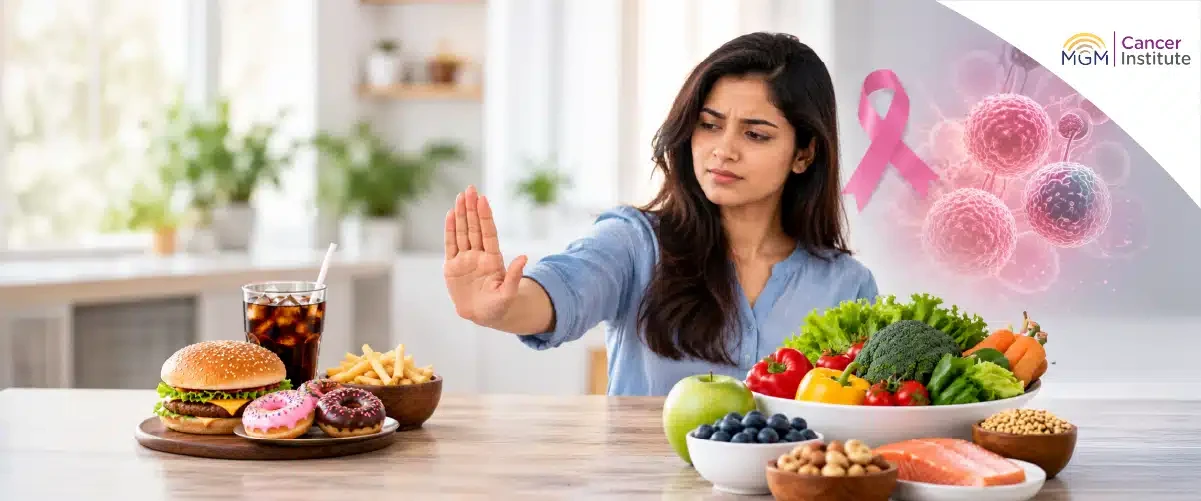
Foods to Limit to Reduce Your Cancer Risk
Can the food you eat affect your cancer risk?
We know that everyday food choices can play a role in long-term health.
We have also read that no single food can completely prevent cancer. A healthy diet, maintaining a healthy weight, staying physically active, and limiting certain foods and drinks can help reduce the risk of cancer.
So what should you eat less of?
1. Processed Meat
Think of foods such as:
- Sausages
- Bacon
- Ham
- Salami
- Pepperoni
- Hot dogs
- Other meats preserved by smoking, curing, salting or similar processes
Processed meat is strongly linked with risk of colorectal cancer. Experts recommend eating little or none processed meat.
2. Red Meat
Red meat includes:
- Beef
- lamb
- mutton
Red meat can provide nutrients like protein, iron and vitamin B12 and it is not necessary to eliminate red meat completely.
However eating amounts of red meat regularly is associated with higher risk of colorectal cancer.
If you eat meat keeping it to around three portions a week or less is recommended.
The simple switch:
Make room on plate for vegetables, pulses, wholegrains and other protein sources.
3. Fast Foods and Highly Processed Foods
Burgers, fries, packaged snacks, pastries, cakes and similar foods can be high in calories, fats, sugar and salt.
Eating these foods frequently can make you consume more calories than the body needs and can contribute to weight gain.
4. Sugary Drinks
Soft drinks, sweetened beverages, energy drinks and other drinks high in added sugar can add a lot of calories without making you feel full.
Regular intake of high-calorie foods and drinks can contribute to weight gain, which’s an important cancer risk factor.
The simple switch:
Choose water, unsweetened beverages or other lower-sugar options often.
5. Alcohol
When it comes to cancer risk alcohol is not completely harmless.
Alcohol consumption is linked with cancers caused in:
- the breast
- bowel
- liver
- oesophagus
For cancer prevention avoiding alcohol is the safest choice.
6. Foods High in Salt, Sugar and Unhealthy Fats
A diet frequently dominated by foods in salt, added sugar and unhealthy fats can make it harder to maintain healthy weight and balanced diet.
This includes regularly eating foods such as:
- Deep‑fried foods
- Sugary desserts
- Packaged snacks
- Cakes and pastries
- salty packaged foods
- Sugar‑heavy beverages
The goal is not to fear these foods.
The goal is to eat them less often and in smaller amounts.
What Should You Eat More Of?
A cancer‑conscious diet should also make room for nutritious foods.
Try to include:
- Vegetables
greens, carrots, beans, cabbage, cauliflower, broccoli and other vegetables. - Fruits
Choose a variety of fruits rather than relying on just one type. - Wholegrains
Oats, rice, whole wheat, millets and other wholegrain options. - Pulses and beans
Dal, chickpeas, rajma, peas and other legumes are sources of fibre and nutrients. - Nuts and seeds
Choose portions as part of a balanced diet. - Healthy protein sources
Eggs, fish, chicken, dairy, pulses and other nutritious protein sources can all have a place, in a diet.
What About Sugar?
You may have heard people say that “sugar feeds cancer.”
That statement is too simple.
No strong proof shows that eating sugar causes cancer. Eating sugary foods and drinks often can make you gain weight and extra weight is linked to higher risk of many cancers.
So the aim is not to cut out every gram of sugar.
The aim is to develop eating habits in general.
A Simple Plate to Remember
A healthy diet is about what you eat regularly, not a single meal once in a while.
One Important Reminder
Eating healthy does not mean you can be sure you will never get cancer.
Cancer is affected by things, such as:
- Genetics
- Age
- tobacco exposure
- infections
- environmental factors
- body weight
- physical activity and other lifestyle choices.
Start With One Change
You do not need to change your diet at once.
Start with steps.
Replace one drink with water.
Add one more serving of vegetables.
Choose food instead of processed meat.
Swap refined grains for wholegrains.
Keep food for occasional meals.
Small choices, repeated consistently can become habits.
At MGM Cancer Institute
At MGM Cancer Institute we believe cancer care starts with more than treatment. It also includes awareness, prevention, early detection and helping people make choices about their health.
If you worry about your cancer risk, family history or symptoms speak to our professionals, Regular screening, when recommended for your age and risk profile can also help find cancers early.
Because when it comes to cancer knowing your risk is the step, towards taking action.
Doctor details:
Dr. K.V.S. Latha
Senior Consultant
Medical Oncology
Frequently Asked Questions
No single food can completely prevent cancer. However, eating a balanced diet with plenty of vegetables, fruits, wholegrains and pulses can support overall health and may help lower cancer risk.
Limit processed meats, large amounts of red meat, highly processed foods, sugary drinks and foods high in salt, sugar and unhealthy fats.
Eating sugar does not directly mean that you will develop cancer. However, regularly consuming high amounts of sugary foods and drinks can contribute to weight gain, which is associated with a higher risk of several cancers.
Not necessarily. Red meat can provide important nutrients. The focus should be on eating moderate amounts and choosing other protein sources such as pulses, fish, eggs and chicken more often.
Regular consumption of processed meat, such as sausages, bacon, ham and salami, is associated with an increased risk of colorectal cancer. It is best to limit these foods.
Including a variety of fruits and vegetables in your daily diet can support a healthy eating pattern. They provide fibre, vitamins, minerals and other beneficial nutrients.
Yes. Excess body weight is associated with a higher risk of several types of cancer. Maintaining a healthy weight through balanced eating and regular physical activity can help reduce this risk.
Contact Us
Visiting Hours
OPEN 24 hours 7 days a week.
OPD Timings : Monday to Saturday
( 9:00 AM to 5:30 PM )
Appointments
Visit the hospital
MGM Cancer Institute
No 119 & 121, Nelson Manickam Road, Raajeswari Street, Rajaram Mehta Nagar,
Aminjikarai, Chennai – 600029



At MGM Cancer Institute, we believe in curing the fear of cancer first. We understand that battling cancer is not just a physical fight, but a mental and emotional one as well. Our dedicated team is committed to providing exceptional healthcare that improves your overall well-being and eases the anxiety that comes with cancer. With a 150-bed facility in the heart of your city, we are here to support you every step of the way.
© MGM Cancer Institute. All Rights Reserved. Last updated on 17-06-2026.