



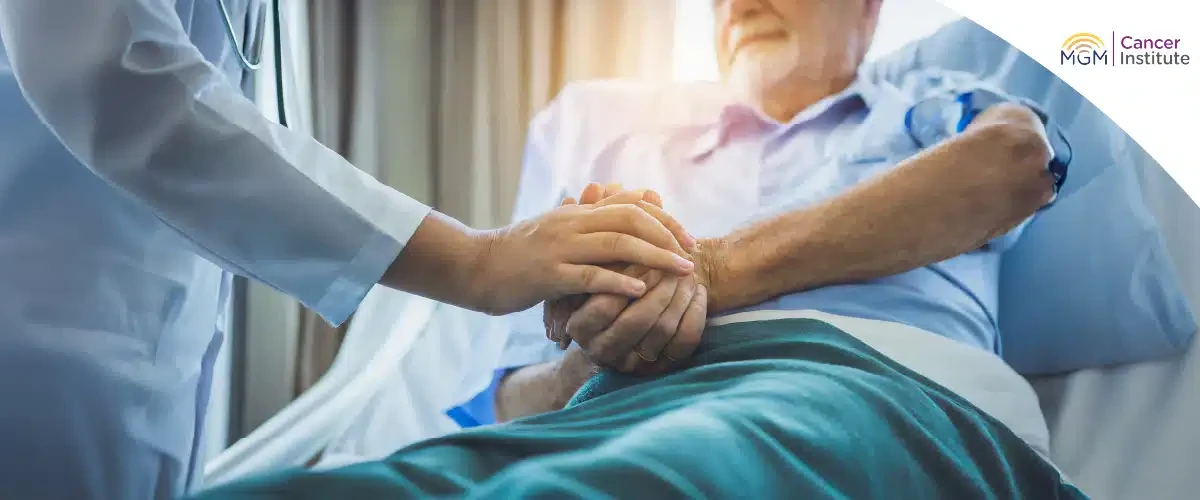
Palliative Care in Chennai: Comfort, Pain Relief, and Dignity
Most healthcare focuses on curing disease. But when an illness is life-limiting, the goal shifts from living longer to living better. Palliative care supports this shift by relieving pain, managing symptoms, and addressing emotional and spiritual needs.
Yet millions still lack access, resulting in avoidable suffering and families left without support. Despite its impact, palliative care remains widely under-recognized and under-available.
Why Palliative Care Awareness Matters
Anyone, at any age, can face a serious illness and suffer without proper care.
When palliative care is started early, it can transform lives by:
- Relieving pain and distress, ensuring comfort and dignity
- Providing emotional support to families and caregivers
- Reducing unnecessary hospital visits and medical interventions
- Promoting compassionate, patient-centred care for chronic and life-limiting illnesses
Greater palliative care awareness helps more people live with dignity and less pain.
Palliative care definition :
Palliative care looks at the whole individual and aims to improve their quality of life rather than finding a cure. It works with medical care and can start as soon as someone is told they have a serious condition. Some important things are:
Controls pain and symptoms to reduce suffering
- Provides emotional and psychosocial support for patients and families
- Respects spiritual values, purpose, and dignity
- Coordinates care across complex health systems
Palliative care is not about giving up, it’s about living as fully and comfortably as possible.
The Barriers to Universal Access
Most people throughout the world don’t have access to palliative care, even though it has many benefits. Some of the main problems are:
- Strict rules that make it hard to get pain drugs, especially opioids.
- Shortage of skilled Palliative care specialists.
- Healthcare systems that put more emphasis on healing than on comfort.
- Stigma and ignorance, with many people thinking that palliative care means “there’s nothing left to do.”
These restrictions imply that millions of people suffer in silence even though palliative care in Chennai is available to provide relief and support.
The Lifestyle and System Connection
Palliative care access is affected by more than just medical resources; social and systemic concerns also play a role:
- Limited access in rural and low-income communities
- Stress, poverty, and caregiver shortages worsen patient suffering
- Late referrals due to lack of awareness
- Urgent need for education, infrastructure, and awareness to strengthen palliative care in Chennai
How to Recognize When Palliative Care Is Needed
Palliative care shouldn’t wait until the last few days of life.
- Ongoing pain, breathlessness, or distressing symptoms
- Frequent hospital or emergency visits
- Emotional distress in patients and families
- Difficulty coping with serious illness or treatment side effects
Getting care early makes it work better and leads to greater results.
Strengthening Palliative Care Access
Integrate palliative care into national health systems
- Train healthcare professionals and community workers
- Ensure affordable access to essential medicines
- Expand home-based and community care services
Increase public awareness and reduce stigma
Protecting Health Through Action
Palliative care is not only a personal concern; it is a public health imperative. To make sure everyone can get care, we need to:
- Include palliative care in universal health coverage
- Support research and innovation
- Build compassionate, responsive healthcare systems
- Empower families and communities
- Encourage future healthcare workers to specialize in palliative care
Conclusion
Palliative care is about living fully with dignity and relief from pain, not giving up. Millions still lack access due to low awareness or limited support. If you or a loved one need guidance, consult our palliative care team for advice and support.
Frequently Asked Questions (FAQ)
Palliative care should begin at the diagnosis of a serious illness to provide early pain relief, symptom management, and improve quality of life.
Palliative care can last weeks, months, or years, depending on patient needs, and continues as long as symptom control and supportive care are required.
Palliative care vs hospice care differs in timing. Palliative care starts alongside treatment, while hospice care focuses on end-of-life care when treatment stops.
Palliative care helps manage pain, breathlessness, fatigue, nausea, loss of appetite, anxiety, and emotional distress, improving overall quality of life.
Anyone experiencing chronic, severe, or cancer-related pain can benefit from palliative care pain management strategies.
Contact Us
Visiting Hours
OPEN 24 hours 7 days a week.
OPD Timings : Monday to Saturday
( 9:00 AM to 5:30 PM )
Appointments
Emergency
Visit the hospital
MGM Cancer Institute
No 119 & 121, Nelson Manickam Road, Raajeswari Street, Rajaram Mehta Nagar,
Aminjikarai, Chennai – 600029



At MGM Cancer Institute, we believe in curing the fear of cancer first. We understand that battling cancer is not just a physical fight, but a mental and emotional one as well. Our dedicated team is committed to providing exceptional healthcare that improves your overall well-being and eases the anxiety that comes with cancer. With a 150-bed facility in the heart of your city, we are here to support you every step of the way.
© MGM Cancer Institute. All Rights Reserved. Last updated on 20-01-2025.