



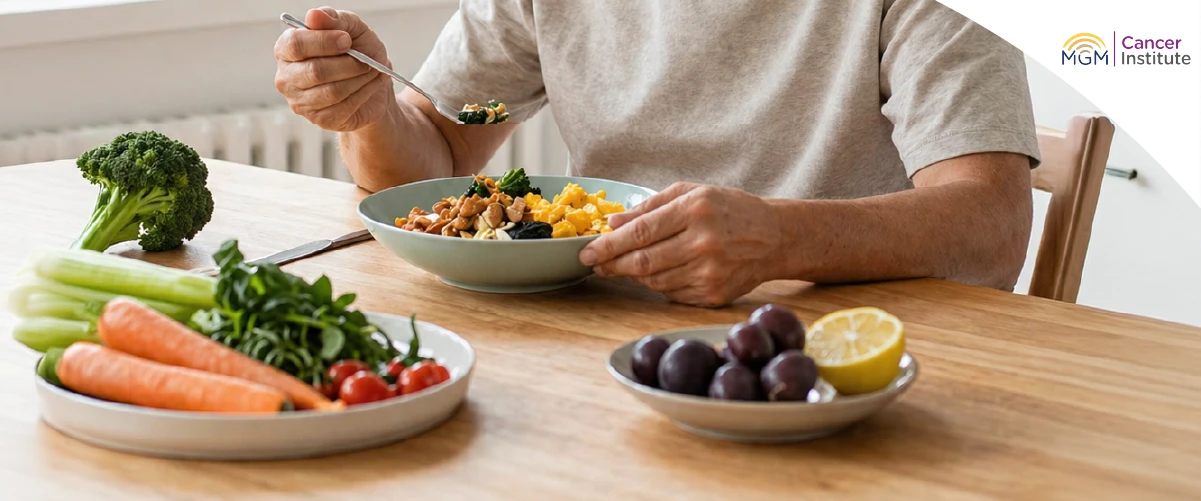
7-Day Meal Plan for Breast Cancer Patients
Introduction
A breast cancer diagnosis can feel overwhelming but small, everyday choices like your diet can make a meaningful difference in how you feel during treatment and recovery.
A well-balanced meal plan helps your body stay strong, improves energy levels, and supports healing. Whether you are undergoing chemotherapy, radiation, or recovering after surgery, eating the right foods can help manage side effects and boost your overall well-being.
In this guide, you’ll find a simple, practical 7-day meal plan for breast cancer patients, along with nutrition tips, food recommendations, and expert-backed guidance.
Why Nutrition is Important for Breast Cancer Patients
Good nutrition plays a crucial role in cancer care. Your body needs extra support to cope with treatment and recover effectively.
Key benefits:
- Boosts immunity to fight infections
- Maintains strength and energy levels
- Supports faster recovery after treatment
- Helps manage side effects like nausea, fatigue, and appetite loss
A balanced diet can also improve your quality of life and help your body tolerate treatments better.
Key Nutrition Guidelines to Follow
Before starting the meal plan, keep these essential guidelines in mind:
Focus on Protein
Protein helps repair tissues and maintain muscle strength.
Sources: dal, eggs, paneer, chicken, fish, tofu
Eat Small, Frequent Meals
Instead of 3 large meals, aim for 5–6 small meals a day to maintain energy.
Stay Hydrated
Drink 2–3 liters of water daily. You can include coconut water, soups, and herbal teas.
Choose Whole Foods
Prefer fresh fruits, vegetables, whole grains, and home-cooked meals.
Limit Processed Foods
Avoid packaged snacks, fried foods, and sugary drinks.
Foods to Eat and Avoid Breast Cancer Patients
Foods to Include
- Fresh fruits (banana, apple, papaya)
- Vegetables (spinach, carrot, broccoli)
- Whole grains (brown rice, oats, millets)
- Lean proteins (dal, eggs, fish, chicken)
- Healthy fats (nuts, seeds, olive oil)
Foods to Avoid
- Processed and junk food
- Excess sugar and sweets
- Fried and oily foods
- Alcohol and smoking
7-Day Meal Plan for Breast Cancer Patients
This plan includes easy-to-digest, Indian-style meals designed to support recovery.
Day 1
1. Breakfast: Oats porridge with almond milk, topped with berries and flaxseeds.
2. Mid-Morning Snack: Fresh pomegranate juice.
3. Lunch: Steamed brown rice, dal (lentil soup), and sautéed spinach.
4. Evening Snack: A handful of roasted makhanas (fox nuts).
5. Dinner: Grilled paneer tikka with a side of mixed vegetable soup.
Day 2
1. Breakfast: Ragi dosa with coconut chutney.
2. Mid-Morning Snack: Fresh apple slices with peanut butter.
3. Lunch: Quinoa pulao with mixed vegetables and a bowl of curd.
4. Evening Snack: Carrot and cucumber sticks with hummus.
5. Dinner: Palak paneer with whole wheat roti and a side of salad.
Day 3
1. Breakfast: Poha with peas, carrots, and a sprinkle of lemon juice.
2. Mid-Morning Snack: Papaya slices.
3. Lunch: Bajra roti with dal and a bowl of steamed broccoli.
4. Evening Snack: A handful of walnuts and almonds.
5. Dinner: Moong dal khichdi with a side of curd and roasted papad.
Day 4
1. Breakfast: Vegetable upma made with semolina and a side of herbal tea.
2. Mid-Morning Snack: Fresh orange juice.
3. Lunch: Millet (Jowar) roti with methi aloo (fenugreek and potato) and a bowl of curd.
4. Evening Snack: A bowl of mixed fruit salad.
5. Dinner: Masoor dal (red lentil) soup with quinoa and sautéed greens.
Day 5
1. Breakfast: Besan chilla (gram flour pancake) with mint chutney.
2. Mid-Morning Snack: Fresh coconut water.
3. Lunch: Steamed rice, sambar (lentil stew with vegetables), and a side of cucumber raita.
4. Evening Snack: Roasted chickpeas.
5. Dinner: Grilled fish with lemon and herbs, served with a side of stir-fried vegetables.
Day 6
1. Breakfast: Multigrain paratha with a dollop of homemade ghee and a bowl of curd.
2. Mid-Morning Snack: A glass of buttermilk.
3. Lunch: Rajma (kidney beans) curry with brown rice and a side of mixed salad.
4. Evening Snack: A bowl of yoghurt with chia seeds.
5. Dinner: Tofu stir-fry with bell peppers and broccoli, served with a bowl of tomato soup.
Day 7
1. Breakfast: Masala oats with vegetables.
2. Mid-Morning Snack: Fresh kiwi slices.
3. Lunch: Barley khichdi with a side of sautéed spinach and a bowl of curd.
4. Evening Snack: A handful of mixed nuts and seeds.
5. Dinner: Mixed vegetable stew with whole wheat bread and a side of fresh salad.
Diet Tips Based on Side Effects
During treatment, you may experience side effects. Here’s how to manage them with diet:
Nausea
- Eat bland foods like khichdi, toast, bananas
- Avoid spicy or oily foods
Fatigue
- Include protein-rich snacks like eggs, nuts, paneer
- Stay hydrated
Loss of Appetite
- Eat small, frequent meals
- Try smoothies and soups
Vegetarian & Non-Vegetarian Alternatives
1.Protien:
Vegetarian Options: Dal, Paneer, Tofu
Non-Vegetarian Options: Eggs, chicken, fish
2.Iron:
Vegetarian Options: Spinach, legumes
Non-Vegetarian Options: Red meat, fish
3.Healthy fats:
Vegetarian Options: Nuts, seeds
Non-Vegetarian Options: Fish
Breast Cancer Treatment Options Explained
Surgery: Removes the tumor
Chemotherapy: Destroys cancer cells with drugs
Radiation therapy: Uses high-energy rays to kill cancer cells
Targeted therapy: Attacks specific cancer cells
Treatment depends on the stage and patient condition.
Why Choose MGM Cancer Institute for Breast Cancer Care?
MGM Cancer Institute offers advanced, patient-centered cancer care combined with personalized nutrition support to improve recovery and quality of life.
- Complete Breast Cancer Care: Diagnosis, surgery, chemotherapy, radiation, and targeted therapy all in one place
- Expert Multidisciplinary Team: Leading oncologists, surgeons, and nutritionists providing personalized treatment plans
- Nutrition-Led Recovery: Customized diet guidance to manage side effects and boost strength during treatment
- Advanced Technology & Precision Care: Modern infrastructure for accurate diagnosis and effective outcomes
- Patient-First Approach: Compassionate, holistic care focused on comfort and long-term well-being
- Trusted Cancer Hospital in Chennai: Known for advanced treatment, high success rates, and personalized patient support
Conclusion
Eating well during breast cancer treatment doesn’t have to be complicated. A simple, balanced diet can help you feel stronger, manage side effects, and support recovery.
This 7-day meal plan for breast cancer patients is designed to be practical, nutritious, and easy to follow. However, every patient is different. Consult a qualified dietitian for a personalized nutrition plan based on your needs
Frequently Asked Questions
A balanced diet with protein, whole grains, fruits, and vegetables supports strength and recovery.
Yes, good nutrition helps manage side effects and improves recovery.
Limit sugar intake. Excess sugar can affect overall health during treatment.
Dal, paneer, tofu, eggs, chicken, and fish are excellent protein sources.
Avoid processed foods, excess sugar, fried items, and alcohol to support recovery.
Contact Us
Visiting Hours
OPEN 24 hours 7 days a week.
OPD Timings : Monday to Saturday
( 9:00 AM to 5:30 PM )
Appointments
Visit the hospital
MGM Cancer Institute
No 119 & 121, Nelson Manickam Road, Raajeswari Street, Rajaram Mehta Nagar,
Aminjikarai, Chennai – 600029



At MGM Cancer Institute, we believe in curing the fear of cancer first. We understand that battling cancer is not just a physical fight, but a mental and emotional one as well. Our dedicated team is committed to providing exceptional healthcare that improves your overall well-being and eases the anxiety that comes with cancer. With a 150-bed facility in the heart of your city, we are here to support you every step of the way.
© MGM Cancer Institute. All Rights Reserved. Last updated on 17-06-2026.