



Is Chemotherapy Painful? What Happens During Treatment
Chemotherapy is a word that people often fear when they hear they have cancer.
Many people think about being very sick, feeling weak all the time, losing their hair and staying in the hospital for a time.
What is chemotherapy really like today?
Cancer treatment has changed a lot over the years. For people chemotherapy is not as bad as they thought it would be. This is because we have medicines, better ways to monitor patients and better support during treatment.
What Is Chemotherapy?
Chemotherapy is a cancer treatment that uses powerful medicines to destroy cancer cells.
It works by targeting fast-growing cells in the body, which includes cancer cells.
How Is Chemotherapy Used?
- Kill cancer cells
- Stop cancer from growing
- Prevent cancer from spreading
- Shrink tumors before surgery
- Reduce the risk of cancer returning
Why Is Chemotherapy Given?
Your doctor may suggest chemotherapy for reasons.
- Chemotherapy may be used:
- Before surgery to shrink a tumor
- In combination with radiation therapy
- To control cancer that has spread
- To relieve symptoms caused by cancer
- For symptom relief (palliative care): To improve quality of life
How Is Chemotherapy Given?
It is usually given in ways depending on the type of cancer and the treatment plan.
Common ways include:
- Through a vein with an IV drip
- Through a port for chemotherapy
- As a shot
- sometimes directly into a part of the body
What Does A Typical Chemotherapy Day Look Like?
Understanding the process can help you feel more prepared for treatment.
Before Treatment
- Your healthcare team will review your blood reports
- They will check your blood pressure, heart rate and oxygen levels
- Your doctor will discuss any symptoms or concerns you may have
During Treatment
- The medicine will be given according to your treatment plan
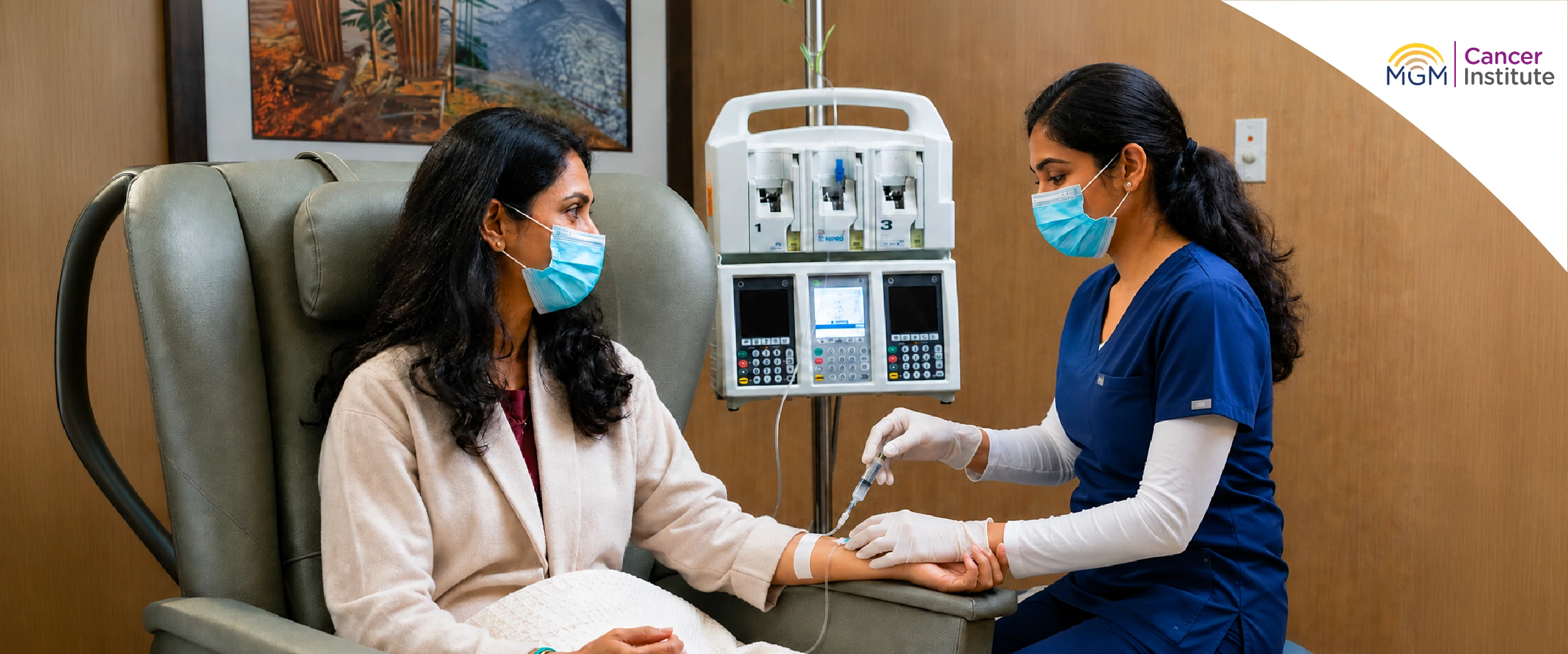
- Most people sit comfortably in a treatment chair during the session
- Nurses will monitor you throughout the treatment
- Depending on the medicines being used the session may take anywhere from a minutes to several hours
After Treatment
- Most people can go home the day
- You may be advised to drink plenty of fluids and get rest
- Your next visit or blood test may be scheduled before you leave
Many people are surprised to learn that treatment is often not as overwhelming as they expected.
Chemotherapy At A Glance
| Step | What Happens |
| Before Treatment | Blood and health checks |
| During Treatment | Chemotherapy medicine is given |
| Monitoring | Nurses watch for reactions |
| After Treatment | You can usually go home the day |
| Follow-Up | Regular check-ups and blood tests |
Is Chemotherapy Painful?
Chemotherapy itself is not usually painful.
You may feel slight discomfort when the IV is inserted. The medicines do not typically cause pain during administration.
However, some side effects like fatigue or nausea may occur later, which can be managed with proper care and medication.
Chemotherapy side effects and management
Not everyone experiences the side effects. The type and severity can vary depending on the medicines being used. The person receiving treatment.
Possible Side Effects
- Feeling tired
- Feeling sick to your stomach
- Vomiting
- Hair loss
- Mouth sores
- Loss of appetite
- Changes in taste
- Diarrhea
- Constipation
- Increased risk of infections
Many of these side effects can be managed with medicines, nutritional support and appropriate medical care
What Happens After Chemotherapy?
After each treatment session:
- You may feel tired for a days
- Your body begins processing the medicines
- Blood counts may temporarily decrease
- Follow-up blood tests may be required
- Your doctor will monitor how well the treatment is working
Most people are able to return on the same day as their treatment.
What To Do After Chemotherapy
Taking care of yourself between treatment cycles can support recovery. Help you feel better.
Things To Do
- Drink plenty of water
- Eat balanced meals
- Get adequate rest
- Take medicines exactly as prescribed
- Maintain personal hygiene
- Stay active with light activities such as walking
- Inform your doctor about any worsening symptoms
Things Not To Do
- Do not skip prescribed medicines
- Do not ignore signs of infection
- Do not wait if you have a fever
- Do not eat unhygienic or outside food without medical advice
- Do not overexert yourself when feeling tired
- Do not take supplements without discussing them with your doctor
When Should You See A Doctor Right Away?
Call your healthcare team if you:
- Have a fever of 100.4°F or higher
- Are having trouble breathing
- Are throwing up a lot
- Have diarrhea
- Have chest pain
- Feel extremely weak
- Show signs of dehydration
- Have severe symptoms from chemotherapy
Getting medical help right away can help prevent complications from chemotherapy.
About MGM Cancer Institute
Cancer treatment is not about taking medicine.
At MGM Cancer Institute every patient has a team of people to help them. This team includes doctors who specialize in cancer , nurses who specialize in cancer, nutrition specialists and supportive care teams.
From the time you are diagnosed to the time you recover we focus on treating your cancer and helping you manage any side effects.
Need Support During Chemotherapy Treatment?
At MGM Cancer Institute patients receive support before, during and after chemotherapy treatment.
Talk to our specialists to understand:
- Managing chemotherapy side effects
- Nutrition support, during treatment
- Reducing the risk of infections
- chemotherapy care and recovery guidance
Book an appointment today to speak with our specialists in Chennai.
Dr. M. A. Raja
Director and Senior Consultant
Medical Oncology
Frequently Asked Questions
No, chemotherapy for breast cancer is not typically painful. Some side effects like fatigue or nausea may occur.
The chemotherapy treatment can take anywhere from a minute to several hours.
Some chemotherapy medicine can make you lose your hair while other medicine might not cause hair loss from chemotherapy.
Most people can eat like they normally do after chemotherapy. Some might need to change their diet because of side effects from chemotherapy.
A lot of people keep working while they are getting chemotherapy treatment although some might need to rest depending on how they feel from chemotherapy.
Contact Us
Visiting Hours
OPEN 24 hours 7 days a week.
OPD Timings : Monday to Saturday
( 9:00 AM to 5:30 PM )
Appointments
Visit the hospital
MGM Cancer Institute
No 119 & 121, Nelson Manickam Road, Raajeswari Street, Rajaram Mehta Nagar,
Aminjikarai, Chennai – 600029



At MGM Cancer Institute, we believe in curing the fear of cancer first. We understand that battling cancer is not just a physical fight, but a mental and emotional one as well. Our dedicated team is committed to providing exceptional healthcare that improves your overall well-being and eases the anxiety that comes with cancer. With a 150-bed facility in the heart of your city, we are here to support you every step of the way.
© MGM Cancer Institute. All Rights Reserved. Last updated on 17-06-2026.
Part of MGM HEALTHCARE PRIVATE LIMITED